
September is a smart month to look around your property with a more critical eye. Summer growth has filled out the canopy, storms may have left behind broken limbs, and fall weather is close enough that homeowners should start thinking about what needs attention. For many property owners, this is also the time to compare tree companies in Monmouth County and decide who to call for trimming, removal, cleanup, or a professional evaluation.
Choosing a tree company is not just about finding someone with a chainsaw and a truck. Tree work requires planning, experience, the right equipment, and a clear understanding of how trees interact with homes, yards, driveways, sidewalks, fences, pools, and neighboring properties. The right tree company can help protect your home, improve your landscape, and make your property easier to maintain before the busy fall season begins.
September Is a Good Time to Be Aware Tree Problems
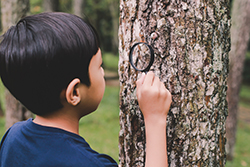 By September, trees have been through months of heat, humidity, heavy leaf growth, summer thunderstorms, and periods of dry weather. Some trees handle the season well. Others show signs of stress.
A homeowner may notice dead limbs, thinning sections of canopy, peeling bark, mushrooms near the base, branches hanging lower than usual, or a tree that seems to lean more than it once did. These signs do not always mean a tree needs to be removed, but they do mean the tree should be looked at by someone who understands tree health and structural safety.
This is where experienced tree companies in Monmouth County provide real value. A professional can help determine whether a tree needs pruning, trimming, crown reduction, removal, or continued monitoring. That guidance matters because the most obvious solution is not always the best one.
Good Tree Companies in Monmouth County Look at the Whole Property
A tree does not exist by itself. It affects everything around it.
One tree may shade a roof, another may drop debris over a pool, and another may crowd a driveway or walkway. Large roots may create uneven ground, while low limbs may make mowing, parking, or outdoor living more difficult. In older Monmouth County neighborhoods, mature trees often grow close to homes, garages, sheds, fences, and utility areas.
A reliable tree company looks at the tree and the property together. The crew should consider access, obstacles, nearby structures, tree condition, cleanup needs, and how the homeowner uses the yard. Tree work should not create unnecessary damage or leave the property looking worse than before the job began. This kind of planning separates professional tree care from simple cutting.
The Lowest Price Is Not Always the Best Choice
When homeowners compare tree companies in Monmouth County, price often becomes the first question. That is understandable. Tree work can vary depending on the size of the tree, condition, location, equipment needed, and complexity of the job.
However, the lowest price is not always the best value.
A safe, professional tree job includes more than cutting branches. It includes proper evaluation, controlled work, responsible cleanup, and attention to the surrounding property. A company that rushes through the job or lacks proper equipment can create more problems than it solves.
Homeowners should ask questions before hiring. Will the crew clean up the debris? Can they handle trees close to structures? Do they offer removal and trimming? Are they experienced with residential properties? Do they understand how to protect the lawn, driveway, fencing, and nearby landscape features? The answers to these questions matter.
Trimming and Removal Require Different Decisions
Not every problem tree needs to come down. Sometimes selective trimming can reduce weight, improve clearance, and help the tree remain healthy. Other times, removal becomes the safest and most practical option.
The right decision depends on the tree’s condition and location. A healthy tree with overextended limbs may only need careful pruning. A damaged tree with decay, structural weakness, or dangerous positioning may require removal. A tree that crowds other healthy trees may also need to be removed to improve the overall landscape.
Professional tree companies in Monmouth County should help homeowners understand those options clearly. A good recommendation should consider safety, property use, tree health, and long term maintenance.
Fall Starts Before the Leaves Drop
Many homeowners wait until the yard is covered in leaves before thinking about seasonal cleanup. September offers a better opportunity. Before leaf drop begins, homeowners can still see the structure of the tree, the weight of the canopy, and any dead or damaged limbs that may need attention.
Trimming problem branches before fall can reduce debris, improve clearance, and make the yard easier to maintain. Removing a dead or declining tree before harsher weather arrives can also help prevent emergency situations later in the season.
This is especially important for trees near roofs, gutters, walkways, driveways, and outdoor living spaces. Once leaves, rain, and wind become more frequent, neglected tree problems become harder to ignore.
Homeowners Should Expect Clear Communication
 Tree work can feel overwhelming, especially when a large tree sits close to the house or a branch hangs over a space the family uses every day. Clear communication makes the process much easier.
A professional tree company should explain what needs to be done, why it matters, and how the work will be handled. Homeowners should understand whether the job involves trimming, removal, stump grinding, emergency work, or general cleanup. They should also know what the property will look like when the crew leaves.
Good communication builds trust before the first cut is made.
Work With Tree Experts Who Understand Monmouth County Properties
Monmouth County includes coastal areas, wooded neighborhoods, older residential streets, larger properties, and compact yards where every tree affects the space around it. That variety calls for tree care that is thoughtful, careful, and property specific.
Ben Bivins Tree Experts provides professional tree removal, pruning, trimming, crown reduction, emergency tree service, plant health care, and related tree services for homeowners who want their properties handled with care. Whether you are dealing with a damaged tree, overgrown branches, a crowded yard, or a concern you noticed after summer, our team can help you decide what your property needs before fall settles in.
For dependable service from trusted tree companies in Monmouth County, contact Ben Bivins Tree Experts today.
August is an interesting month for homeowners in West Creek. Summer is still here, but the yard often starts telling a different story. Some trees look tired from the heat, some branches hang lower than they did in June, and some areas of the property feel darker, tighter, or harder to use. By this point in the season, homeowners can usually see which parts of the landscape are working well and which ones are getting in the way. That is one reason August is a smart time to think about West Creek tree removal.
Tree removal is often viewed as an emergency service, but it can also be a practical property improvement. A tree may not be crashing down or obviously dead, yet it may still be limiting the way a homeowner uses the yard. It may block sunlight, crowd a driveway, interfere with a future project, drop debris over outdoor spaces, or create constant maintenance headaches.
For many properties, removing the right tree can open up the yard, improve safety, and make the landscape easier to manage before fall arrives.
When a Tree Takes Over the Property
Trees add shade, privacy, beauty, and character. However, not every tree remains a good fit forever. A tree that was once small and manageable may eventually dominate the yard. Its canopy may stretch over the roof, limbs may hang above a deck, roots may create uneven ground near walkways, or its shade may prevent grass or plantings from growing where homeowners want usable space.
In West Creek, many properties have a natural, wooded feel. That is part of the appeal of the area, but it also means trees can become crowded over time. When multiple trees compete for light and space, weaker trees may decline, lean, or develop poor structure. In other cases, one large tree may prevent nearby trees, shrubs, and lawn areas from growing properly.
Professional tree removal can help restore balance. The goal is not to clear every tree from the property. The goal is to identify which trees no longer serve the yard and which trees should remain as healthy, attractive, useful parts of the landscape.
August Shows How the Yard Is Used
By August, homeowners know where people actually gather outside. They know which areas stay too shady, which corners collect fallen branches, and which trees create constant cleanup around the pool, patio, driveway, or outdoor seating area.
That real-life use matters.
A tree near the back fence may not be a concern if it stands in an unused area. A similar tree over a play area, parking space, shed, walkway, or outdoor kitchen may deserve a closer look. Tree removal decisions should always consider how the property is used, not just how the tree looks from the street.
Homeowners may also start planning fall projects in August. New fencing, landscape work, drainage improvements, patios, sheds, driveways, and lawn renovation all become easier when problem trees are addressed first. Waiting until after other improvements are complete can make tree removal more complicated and may put new work at risk.
 West Creek Tree Removal Takes Planning
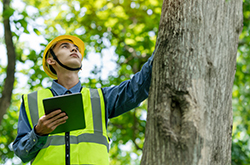
Safe tree removal requires more than showing up with a chainsaw. A professional crew needs to evaluate the tree, the property, and the surrounding obstacles. Nearby homes, fences, wires, sheds, vehicles, pools, gardens, septic areas, and neighboring yards can all affect the removal plan.
This planning is especially important in residential neighborhoods where space may be limited. Some trees can be removed in sections. Others may require careful lowering of limbs to protect the surrounding area. The crew must also consider access for equipment and cleanup.
That is why West Creek tree removal should be handled by an experienced tree service company. A tree that looks straightforward from the ground can become far more complex once work begins. Proper equipment, training, and job planning help reduce risk and protect the property.
Removing One Tree Can Help the Rest of the Landscape
Tree removal is sometimes seen as a loss, but it can also help the remaining landscape thrive. Removing a damaged, crowded, or poorly placed tree can give nearby trees more room to grow. It can improve airflow, allow more sunlight to reach the ground, and reduce competition for water and nutrients.
This can be especially helpful when a yard feels dense or overgrown. Instead of trimming everything heavily, removing one problem tree may create a cleaner, healthier result. The remaining trees can often look better because they have more space and less pressure from overcrowding. A professional tree company can help homeowners decide whether trimming, pruning, or removal makes the most sense.
What Homeowners Should Consider Before Removal
Before scheduling tree removal, homeowners should think about what they want the yard to become after the tree is gone. Is the goal more sunlight? Better access? Safer parking? A cleaner lawn? More room for landscaping? Less debris around the house?
Thinking beyond the removal itself helps create a better result. It also allows the tree service crew to understand the homeowner’s priorities. For example, a tree near a driveway may need to be removed for clearance, while a tree near the backyard may be removed to make space for a future patio or lawn area.
Homeowners should also consider whether stump grinding is needed. Leaving a stump may be acceptable in some wooded areas, but it can interfere with mowing, landscaping, fencing, or future use of the space. Stump grinding can help create a cleaner finish and make the area easier to reclaim.
Make the Yard Safer Before Fall Weather Arrives
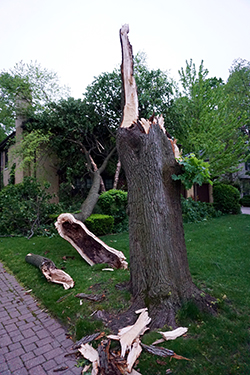 August is also a good time to look ahead. Fall can bring heavy rain, wind, falling leaves, and changing property conditions. A tree that already looks weak, crowded, or poorly positioned in late summer may become a bigger concern as the seasons change.
Removing a problem tree before fall can reduce stress, limit cleanup, and help homeowners feel more confident about their property. It can also make room for new landscaping plans before the end of the outdoor season.
Ben Bivins Tree Experts provides professional tree removal, trimming, pruning, storm cleanup, and tree care for homeowners throughout West Creek and surrounding communities. Whether a tree is damaged, overcrowded, poorly placed, or simply no longer working for the property, our team can help you understand your options and complete the job safely.
For dependable West Creek tree removal, contact Ben Bivins Tree Experts today and take the next step toward a safer, cleaner, more usable yard.