
The leaves are down, the yard is quiet, and most homeowners are thinking about the holidays, not their trees. But November may be the most important month on the tree care calendar. With the canopy bare, every weak limb, crack and dead branch is out in the open. And the nor’easters, ice and heavy snow of a Jersey Shore winter are only weeks away.
Scheduling tree service in Monmouth County now lets you fix small problems before winter turns them into emergencies.
Bare Branches Tell the Truth
 In summer, a full canopy can hide a lot. A dead limb high in an oak or a split where two trunks meet is easy to miss behind the leaves. Once the leaves fall, the tree’s structure is easy to see.
This is the best time of year for an arborist to walk your property and look at each tree closely. Watch for:
- Dead or hanging branches
- Cracks or splits in the trunk or at major branch unions
- Limbs rubbing against each other or against your roof
- Fungus, mushrooms or soft, crumbling wood near the base
- Trees that have started to lean since last year
Finding these issues in November gives you time to act on your schedule, not the storm’s.
Winter Storms Hit Weak Trees First
Monmouth County homeowners know how quickly a winter storm can change a neighborhood. Coastal nor’easters bring strong, sustained winds off the ocean. Freezing rain can add hundreds of pounds of ice to a single large limb. Wet, heavy snow does the same.
Healthy, well-structured trees usually handle this weight. Trees with decay, poor branch angles or overextended limbs often don’t. When they fail, they land on roofs, cars, fences and power lines. A pre-winter check from a trusted tree service in Monmouth County is one of the simplest ways to reduce that risk.
Dormant Pruning Is Better for Your Trees
Most deciduous trees go dormant in late fall. That makes November through early spring an ideal window for pruning. Here’s why:
- Less stress on the tree. Dormant trees aren’t putting energy into leaves or growth, so cuts heal more cleanly once spring arrives.
- Lower risk of disease and pests. Many insects and fungal diseases are inactive in cold weather, so fresh cuts are less likely to become entry points.
- Better visibility. Without leaves, our crew can see exactly which branches to remove for better structure and balance.
- Less impact on your yard. Firm or frozen ground means heavy equipment leaves less of a mark on your lawn and gardens.
Careful crown reduction and thinning also lowers the tree’s wind resistance. That helps it ride out winter storms instead of catching them like a sail.
Not Every Problem Means Removal
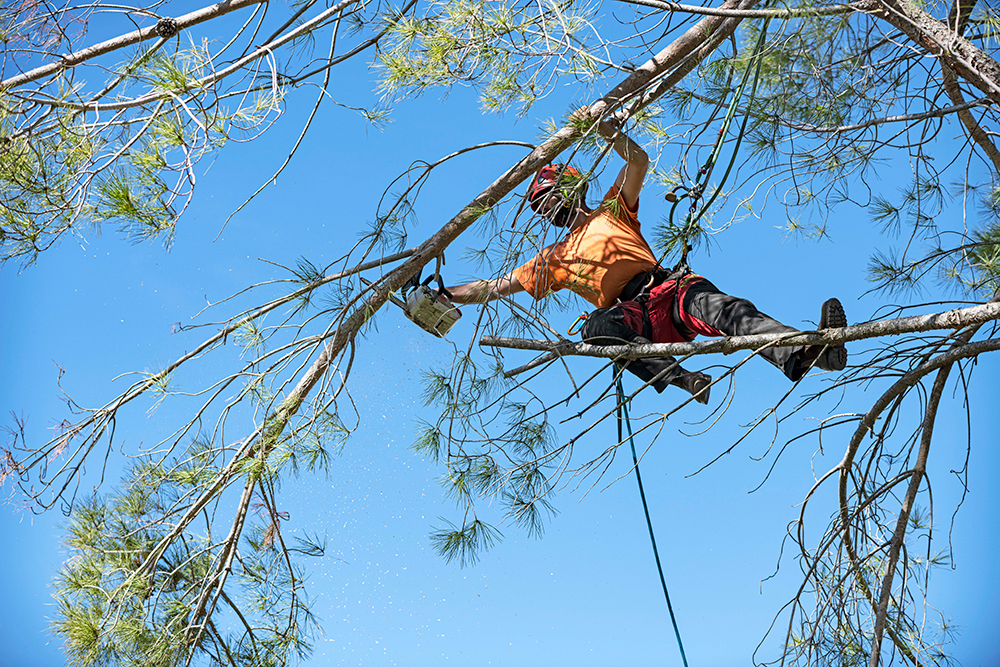
A tree with a dead limb or a little lean doesn’t always need to come down. In many cases, targeted pruning, cabling or simply removing a hazardous branch keeps a valuable tree healthy and safe for years. Our goal is to save trees whenever it makes sense.
Sometimes, though, a tree is too damaged or decayed to keep. If a tree is dead, badly hollow or leaning toward your home, removing it before winter is far safer and usually less expensive than an emergency removal after it falls.
Beat the Winter Rush
Once the first big storm hits, tree companies across the region fill up fast with emergency calls. Booking your tree service in Monmouth County in November means shorter wait times, more flexible scheduling and a calmer, planned job instead of a scramble in the middle of a storm.
While we’re on your property, we can also grind leftover stumps, clean up fallen limbs from fall storms and talk with you about plant health care for the coming spring.
Get Your Trees Ready for Winter
At Ben Bivins Tree Experts, we help homeowners keep their trees healthy, safe and strong through every season. From pruning and trimming to tree removal, stump grinding and emergency tree service, our team is ready to protect your property before winter weather arrives.
If you’re looking for dependable tree service in Monmouth County, contact Ben Bivins Tree Experts online today or call 609-698-4992 to schedule your pre-winter tree inspection.
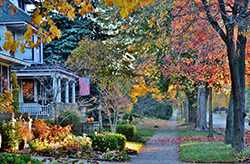 October changes the way a yard looks. The thick green canopy of summer begins to thin, leaves start to drop, and branches that were hidden for months suddenly become easier to see. For homeowners, this is one of the best times of year to take a closer look at the trees around the property.
That is why October is a smart month to schedule professional Smithville tree service. Once the leaves begin to fall, tree structure becomes more visible. Dead limbs stand out more clearly. Weak branch connections are easier to spot. Crowded canopies become less hidden. A tree that looked full and healthy in July may reveal a different story once autumn arrives.
Tree care in October is not just about cleaning up leaves. It is about understanding what the season exposes.
Fall Makes Tree Problems Easier to Notice
During spring and summer, leaves can hide a lot. A tree may look green from a distance, even if it has dead interior limbs, cracked branches, storm damage, or poor structure. Once October arrives, those issues become much more obvious.
Homeowners may notice branches that never leafed out properly, limbs that hang too low, sections of the canopy that look thin, or branches rubbing against each other. They may also see limbs growing too close to the roof, garage, driveway, shed, fence, or utility lines.
These details matter because winter is not far behind. Branches that already look weak in October may struggle with heavy wind, cold rain, snow, or ice later in the season. Professional tree service can help identify which concerns need immediate attention and which ones can be monitored.
Smithville Properties Often Need Practical Tree Care
Smithville has a mix of wooded lots, established neighborhoods, open yards, and properties where trees add privacy, shade, and natural character. That variety is part of what makes the area appealing. However, it also means tree care should be based on the property itself.
A tree near the edge of a wooded area may need a different approach than a tree growing beside a driveway. A mature tree over a patio may need careful pruning for clearance. A crowded group of trees may need selective trimming or removal to improve airflow and reduce competition. A tree near a home may need a closer inspection before winter weather arrives.
Good Smithville tree service takes the whole property into account. The goal is not to trim every tree the same way. The goal is to help each property stay safer, cleaner, and easier to maintain.
October Is a Good Time for Pruning and Cleanup
By October, summer growth has slowed down. That makes it a useful time to address branches that became too heavy, too low, or too close to structures during the growing season.
Tree trimming can improve clearance around roofs, gutters, walkways, and driveways. It can also help reduce the amount of debris that falls in high-use areas of the yard. Removing deadwood can make a tree look better while also reducing the chance of weak limbs falling during rough weather.
Fall cleanup is also easier when larger tree concerns are addressed first. If a tree is dropping excessive limbs, leaning into another tree, or creating constant debris near the home, leaf cleanup alone will not solve the problem. Professional service can help correct the source of the issue.
Not Every Tree Problem Requires Removal
Many homeowners worry that calling a tree company means a tree will automatically need to come down. That is not always the case.
Sometimes a tree only needs selective pruning. Other times, crown reduction, deadwood removal, or structural trimming can improve safety and appearance. A professional tree company can help determine whether the tree can be preserved or whether removal is the better option.
Tree removal may make sense when a tree is dead, badly damaged, severely leaning, hollow, diseased, overcrowded, or growing in a location that creates ongoing risk. However, the right decision should always depend on the tree’s condition, location, and long term impact on the property.
An experienced Smithville tree service company can explain the options clearly so homeowners can make informed decisions.
Look Up Before the Weather Turns
 October is a good month to walk the property and look up. Many homeowners notice the lawn, leaves, and landscaping first, but the canopy deserves attention too.
Look for dead branches, broken limbs, cracks, mushrooms near the base, peeling bark, cavities, leaning trunks, or branches touching the house. Also pay attention to trees near areas where people park, walk, gather, or play. A weak branch in a remote wooded area may not create the same concern as a weak branch over a driveway or patio.
You do not need to diagnose every issue yourself. The goal is simply to notice when something looks different, unsafe, or worth checking.
Prepare Your Property Before Winter
October tree care can make the colder months easier. Proper trimming can reduce hazards, improve clearance, and help prevent avoidable damage. Removing a problem tree before winter can also be much less stressful than dealing with an emergency after a storm.
Homeowners who wait until a branch falls or a tree shifts may face more urgent decisions, more property damage, and more difficult cleanup. Taking action in October gives you more control over the process.
Ben Bivins Tree Experts provides professional tree trimming, pruning, removal, emergency tree service, cleanup, and related tree care for homeowners throughout Smithville and surrounding areas. Whether you noticed a dead limb, an overgrown canopy, a problem tree, or a yard that needs attention before winter, our team can help.
For dependable Smithville tree service this October, contact Ben Bivins Tree Experts today.