
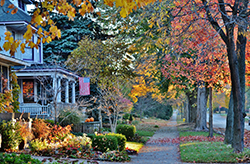
 October changes the way a yard looks. The thick green canopy of summer begins to thin, leaves start to drop, and branches that were hidden for months suddenly become easier to see. For homeowners, this is one of the best times of year to take a closer look at the trees around the property.
That is why October is a smart month to schedule professional Smithville tree service. Once the leaves begin to fall, tree structure becomes more visible. Dead limbs stand out more clearly. Weak branch connections are easier to spot. Crowded canopies become less hidden. A tree that looked full and healthy in July may reveal a different story once autumn arrives.
Tree care in October is not just about cleaning up leaves. It is about understanding what the season exposes.
Fall Makes Tree Problems Easier to Notice
During spring and summer, leaves can hide a lot. A tree may look green from a distance, even if it has dead interior limbs, cracked branches, storm damage, or poor structure. Once October arrives, those issues become much more obvious.
Homeowners may notice branches that never leafed out properly, limbs that hang too low, sections of the canopy that look thin, or branches rubbing against each other. They may also see limbs growing too close to the roof, garage, driveway, shed, fence, or utility lines.
These details matter because winter is not far behind. Branches that already look weak in October may struggle with heavy wind, cold rain, snow, or ice later in the season. Professional tree service can help identify which concerns need immediate attention and which ones can be monitored.
Smithville Properties Often Need Practical Tree Care
Smithville has a mix of wooded lots, established neighborhoods, open yards, and properties where trees add privacy, shade, and natural character. That variety is part of what makes the area appealing. However, it also means tree care should be based on the property itself.
A tree near the edge of a wooded area may need a different approach than a tree growing beside a driveway. A mature tree over a patio may need careful pruning for clearance. A crowded group of trees may need selective trimming or removal to improve airflow and reduce competition. A tree near a home may need a closer inspection before winter weather arrives.
Good Smithville tree service takes the whole property into account. The goal is not to trim every tree the same way. The goal is to help each property stay safer, cleaner, and easier to maintain.
October Is a Good Time for Pruning and Cleanup
By October, summer growth has slowed down. That makes it a useful time to address branches that became too heavy, too low, or too close to structures during the growing season.
Tree trimming can improve clearance around roofs, gutters, walkways, and driveways. It can also help reduce the amount of debris that falls in high-use areas of the yard. Removing deadwood can make a tree look better while also reducing the chance of weak limbs falling during rough weather.
Fall cleanup is also easier when larger tree concerns are addressed first. If a tree is dropping excessive limbs, leaning into another tree, or creating constant debris near the home, leaf cleanup alone will not solve the problem. Professional service can help correct the source of the issue.
Not Every Tree Problem Requires Removal
Many homeowners worry that calling a tree company means a tree will automatically need to come down. That is not always the case.
Sometimes a tree only needs selective pruning. Other times, crown reduction, deadwood removal, or structural trimming can improve safety and appearance. A professional tree company can help determine whether the tree can be preserved or whether removal is the better option.
Tree removal may make sense when a tree is dead, badly damaged, severely leaning, hollow, diseased, overcrowded, or growing in a location that creates ongoing risk. However, the right decision should always depend on the tree’s condition, location, and long term impact on the property.
An experienced Smithville tree service company can explain the options clearly so homeowners can make informed decisions.
Look Up Before the Weather Turns
 October is a good month to walk the property and look up. Many homeowners notice the lawn, leaves, and landscaping first, but the canopy deserves attention too.
Look for dead branches, broken limbs, cracks, mushrooms near the base, peeling bark, cavities, leaning trunks, or branches touching the house. Also pay attention to trees near areas where people park, walk, gather, or play. A weak branch in a remote wooded area may not create the same concern as a weak branch over a driveway or patio.
You do not need to diagnose every issue yourself. The goal is simply to notice when something looks different, unsafe, or worth checking.
Prepare Your Property Before Winter
October tree care can make the colder months easier. Proper trimming can reduce hazards, improve clearance, and help prevent avoidable damage. Removing a problem tree before winter can also be much less stressful than dealing with an emergency after a storm.
Homeowners who wait until a branch falls or a tree shifts may face more urgent decisions, more property damage, and more difficult cleanup. Taking action in October gives you more control over the process.
Ben Bivins Tree Experts provides professional tree trimming, pruning, removal, emergency tree service, cleanup, and related tree care for homeowners throughout Smithville and surrounding areas. Whether you noticed a dead limb, an overgrown canopy, a problem tree, or a yard that needs attention before winter, our team can help.
For dependable Smithville tree service this October, contact Ben Bivins Tree Experts today.
September is a smart month to look around your property with a more critical eye. Summer growth has filled out the canopy, storms may have left behind broken limbs, and fall weather is close enough that homeowners should start thinking about what needs attention. For many property owners, this is also the time to compare tree companies in Monmouth County and decide who to call for trimming, removal, cleanup, or a professional evaluation.
Choosing a tree company is not just about finding someone with a chainsaw and a truck. Tree work requires planning, experience, the right equipment, and a clear understanding of how trees interact with homes, yards, driveways, sidewalks, fences, pools, and neighboring properties. The right tree company can help protect your home, improve your landscape, and make your property easier to maintain before the busy fall season begins.
September Is a Good Time to Be Aware Tree Problems
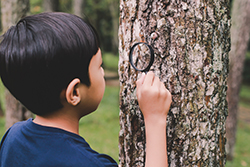 By September, trees have been through months of heat, humidity, heavy leaf growth, summer thunderstorms, and periods of dry weather. Some trees handle the season well. Others show signs of stress.
A homeowner may notice dead limbs, thinning sections of canopy, peeling bark, mushrooms near the base, branches hanging lower than usual, or a tree that seems to lean more than it once did. These signs do not always mean a tree needs to be removed, but they do mean the tree should be looked at by someone who understands tree health and structural safety.
This is where experienced tree companies in Monmouth County provide real value. A professional can help determine whether a tree needs pruning, trimming, crown reduction, removal, or continued monitoring. That guidance matters because the most obvious solution is not always the best one.
Good Tree Companies in Monmouth County Look at the Whole Property
A tree does not exist by itself. It affects everything around it.
One tree may shade a roof, another may drop debris over a pool, and another may crowd a driveway or walkway. Large roots may create uneven ground, while low limbs may make mowing, parking, or outdoor living more difficult. In older Monmouth County neighborhoods, mature trees often grow close to homes, garages, sheds, fences, and utility areas.
A reliable tree company looks at the tree and the property together. The crew should consider access, obstacles, nearby structures, tree condition, cleanup needs, and how the homeowner uses the yard. Tree work should not create unnecessary damage or leave the property looking worse than before the job began. This kind of planning separates professional tree care from simple cutting.
The Lowest Price Is Not Always the Best Choice
When homeowners compare tree companies in Monmouth County, price often becomes the first question. That is understandable. Tree work can vary depending on the size of the tree, condition, location, equipment needed, and complexity of the job.
However, the lowest price is not always the best value.
A safe, professional tree job includes more than cutting branches. It includes proper evaluation, controlled work, responsible cleanup, and attention to the surrounding property. A company that rushes through the job or lacks proper equipment can create more problems than it solves.
Homeowners should ask questions before hiring. Will the crew clean up the debris? Can they handle trees close to structures? Do they offer removal and trimming? Are they experienced with residential properties? Do they understand how to protect the lawn, driveway, fencing, and nearby landscape features? The answers to these questions matter.
Trimming and Removal Require Different Decisions
Not every problem tree needs to come down. Sometimes selective trimming can reduce weight, improve clearance, and help the tree remain healthy. Other times, removal becomes the safest and most practical option.
The right decision depends on the tree’s condition and location. A healthy tree with overextended limbs may only need careful pruning. A damaged tree with decay, structural weakness, or dangerous positioning may require removal. A tree that crowds other healthy trees may also need to be removed to improve the overall landscape.
Professional tree companies in Monmouth County should help homeowners understand those options clearly. A good recommendation should consider safety, property use, tree health, and long term maintenance.
Fall Starts Before the Leaves Drop
Many homeowners wait until the yard is covered in leaves before thinking about seasonal cleanup. September offers a better opportunity. Before leaf drop begins, homeowners can still see the structure of the tree, the weight of the canopy, and any dead or damaged limbs that may need attention.
Trimming problem branches before fall can reduce debris, improve clearance, and make the yard easier to maintain. Removing a dead or declining tree before harsher weather arrives can also help prevent emergency situations later in the season.
This is especially important for trees near roofs, gutters, walkways, driveways, and outdoor living spaces. Once leaves, rain, and wind become more frequent, neglected tree problems become harder to ignore.
Homeowners Should Expect Clear Communication
 Tree work can feel overwhelming, especially when a large tree sits close to the house or a branch hangs over a space the family uses every day. Clear communication makes the process much easier.
A professional tree company should explain what needs to be done, why it matters, and how the work will be handled. Homeowners should understand whether the job involves trimming, removal, stump grinding, emergency work, or general cleanup. They should also know what the property will look like when the crew leaves.
Good communication builds trust before the first cut is made.
Work With Tree Experts Who Understand Monmouth County Properties
Monmouth County includes coastal areas, wooded neighborhoods, older residential streets, larger properties, and compact yards where every tree affects the space around it. That variety calls for tree care that is thoughtful, careful, and property specific.
Ben Bivins Tree Experts provides professional tree removal, pruning, trimming, crown reduction, emergency tree service, plant health care, and related tree services for homeowners who want their properties handled with care. Whether you are dealing with a damaged tree, overgrown branches, a crowded yard, or a concern you noticed after summer, our team can help you decide what your property needs before fall settles in.
For dependable service from trusted tree companies in Monmouth County, contact Ben Bivins Tree Experts today.