
August is an interesting month for homeowners in West Creek. Summer is still here, but the yard often starts telling a different story. Some trees look tired from the heat, some branches hang lower than they did in June, and some areas of the property feel darker, tighter, or harder to use. By this point in the season, homeowners can usually see which parts of the landscape are working well and which ones are getting in the way. That is one reason August is a smart time to think about West Creek tree removal.
Tree removal is often viewed as an emergency service, but it can also be a practical property improvement. A tree may not be crashing down or obviously dead, yet it may still be limiting the way a homeowner uses the yard. It may block sunlight, crowd a driveway, interfere with a future project, drop debris over outdoor spaces, or create constant maintenance headaches.
For many properties, removing the right tree can open up the yard, improve safety, and make the landscape easier to manage before fall arrives.
When a Tree Takes Over the Property
Trees add shade, privacy, beauty, and character. However, not every tree remains a good fit forever. A tree that was once small and manageable may eventually dominate the yard. Its canopy may stretch over the roof, limbs may hang above a deck, roots may create uneven ground near walkways, or its shade may prevent grass or plantings from growing where homeowners want usable space.
In West Creek, many properties have a natural, wooded feel. That is part of the appeal of the area, but it also means trees can become crowded over time. When multiple trees compete for light and space, weaker trees may decline, lean, or develop poor structure. In other cases, one large tree may prevent nearby trees, shrubs, and lawn areas from growing properly.
Professional tree removal can help restore balance. The goal is not to clear every tree from the property. The goal is to identify which trees no longer serve the yard and which trees should remain as healthy, attractive, useful parts of the landscape.
August Shows How the Yard Is Used
By August, homeowners know where people actually gather outside. They know which areas stay too shady, which corners collect fallen branches, and which trees create constant cleanup around the pool, patio, driveway, or outdoor seating area.
That real-life use matters.
A tree near the back fence may not be a concern if it stands in an unused area. A similar tree over a play area, parking space, shed, walkway, or outdoor kitchen may deserve a closer look. Tree removal decisions should always consider how the property is used, not just how the tree looks from the street.
Homeowners may also start planning fall projects in August. New fencing, landscape work, drainage improvements, patios, sheds, driveways, and lawn renovation all become easier when problem trees are addressed first. Waiting until after other improvements are complete can make tree removal more complicated and may put new work at risk.
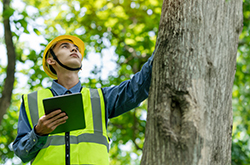 West Creek Tree Removal Takes Planning
Safe tree removal requires more than showing up with a chainsaw. A professional crew needs to evaluate the tree, the property, and the surrounding obstacles. Nearby homes, fences, wires, sheds, vehicles, pools, gardens, septic areas, and neighboring yards can all affect the removal plan.
This planning is especially important in residential neighborhoods where space may be limited. Some trees can be removed in sections. Others may require careful lowering of limbs to protect the surrounding area. The crew must also consider access for equipment and cleanup.
That is why West Creek tree removal should be handled by an experienced tree service company. A tree that looks straightforward from the ground can become far more complex once work begins. Proper equipment, training, and job planning help reduce risk and protect the property.
Removing One Tree Can Help the Rest of the Landscape
Tree removal is sometimes seen as a loss, but it can also help the remaining landscape thrive. Removing a damaged, crowded, or poorly placed tree can give nearby trees more room to grow. It can improve airflow, allow more sunlight to reach the ground, and reduce competition for water and nutrients.
This can be especially helpful when a yard feels dense or overgrown. Instead of trimming everything heavily, removing one problem tree may create a cleaner, healthier result. The remaining trees can often look better because they have more space and less pressure from overcrowding. A professional tree company can help homeowners decide whether trimming, pruning, or removal makes the most sense.
What Homeowners Should Consider Before Removal
Before scheduling tree removal, homeowners should think about what they want the yard to become after the tree is gone. Is the goal more sunlight? Better access? Safer parking? A cleaner lawn? More room for landscaping? Less debris around the house?
Thinking beyond the removal itself helps create a better result. It also allows the tree service crew to understand the homeowner’s priorities. For example, a tree near a driveway may need to be removed for clearance, while a tree near the backyard may be removed to make space for a future patio or lawn area.
Homeowners should also consider whether stump grinding is needed. Leaving a stump may be acceptable in some wooded areas, but it can interfere with mowing, landscaping, fencing, or future use of the space. Stump grinding can help create a cleaner finish and make the area easier to reclaim.
Make the Yard Safer Before Fall Weather Arrives
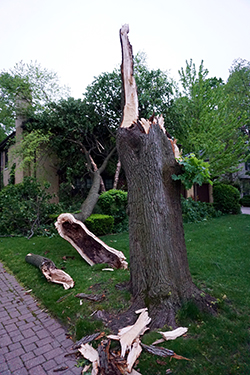 August is also a good time to look ahead. Fall can bring heavy rain, wind, falling leaves, and changing property conditions. A tree that already looks weak, crowded, or poorly positioned in late summer may become a bigger concern as the seasons change.
Removing a problem tree before fall can reduce stress, limit cleanup, and help homeowners feel more confident about their property. It can also make room for new landscaping plans before the end of the outdoor season.
Ben Bivins Tree Experts provides professional tree removal, trimming, pruning, storm cleanup, and tree care for homeowners throughout West Creek and surrounding communities. Whether a tree is damaged, overcrowded, poorly placed, or simply no longer working for the property, our team can help you understand your options and complete the job safely.
For dependable West Creek tree removal, contact Ben Bivins Tree Experts today and take the next step toward a safer, cleaner, more usable yard.
Why Every Yard Has Its Own Tree Care Personality
Atlantic County is not a one-size-fits-all place, and neither are its trees. A property near the bay does not face the same conditions as a wooded lot farther inland. A shaded residential street in Northfield has different tree concerns than an open property in Egg Harbor Township, Hammonton, Galloway, or a shore community closer to salt air and strong coastal winds. That is what makes professional tree service in Atlantic County so important.
Good tree care is not just about trimming branches or removing a tree when it becomes a problem. It is about understanding where the tree is growing, what it is growing near, how the property is used, and what kind of stress the tree faces throughout the year.
In July, this becomes especially noticeable. The trees that looked fine in spring may suddenly show signs of stress. Leaves may wilt, branches may hang lower, canopies may thin out, and weak limbs may become more obvious after weeks of heat, humidity, storms, and heavy summer growth. For homeowners, the question is not always “Does this tree need to come down?” Sometimes the better question is “What signs did I miss?”
Atlantic County Trees Deal With More Than One Environment
One of the most interesting things about Atlantic County is how quickly the landscape can change. Some areas feel coastal. Others feel wooded. Some neighborhoods have mature shade trees lining older streets, while newer developments may have younger trees planted close to driveways, sidewalks, fences, pools, and patios. That variety matters.
Trees near open fields or wide yards may deal with more direct sun and wind exposure. Trees closer to marshy areas may face fluctuating moisture levels. Trees in sandy soil may struggle to stay anchored during periods of heavy rain and strong wind. Trees in dense neighborhoods may compete for space above and below ground.
This is why tree service in Atlantic County should always begin with context. A branch that looks harmless on one property may create a risk on another. A tree that can safely grow in a wide-open area may need more attention when it sits near a roof, power line, driveway, or outdoor living space.
July Reveals What Spring Was Hiding
Spring growth can make trees look full, green, and healthy from a distance. By July, the truth often becomes easier to see.
Summer heat puts pressure on a tree’s entire system. If the roots are stressed, the canopy may thin. If a limb has internal weakness, heavy leaf growth can add weight. If a tree has poor structure, summer thunderstorms can expose the problem quickly.
Homeowners may notice signs such as:
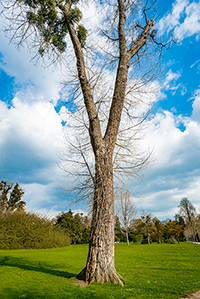
Unusually small leaves
- Branches that did not leaf out fully
- Dead limbs mixed into otherwise green growth
- Cracks in large branches
- Peeling bark or soft spots on the trunk
- Mushrooms or decay near the base
- Branches hanging lower than they did earlier in the season
- A tree that suddenly looks unbalanced
These signs do not always mean the tree needs to be removed. However, they do mean the tree deserves attention. A professional evaluation can help determine whether pruning, crown reduction, selective limb removal, or full tree removal makes the most sense.
Tree Care is Enmeshed with Outdoor Living Spaces
July is also when homeowners use their yards the most. Patios, pools, decks, fire pits, play areas, and outdoor seating spaces all become part of daily life. That changes the way trees should be viewed.
A tree that drops small twigs in an unused corner of the yard might not be a major concern. A tree dropping limbs over a pool, grill area, walkway, or children’s playset is a different story.
Tree service in Atlantic County often involves helping homeowners make their yards safer and more usable without stripping away the shade and beauty that trees provide. The goal is not always to remove every branch that hangs over a space. The goal is to identify which limbs create unnecessary risk, which areas need clearance, and which trees should be shaped in a way that supports long-term health. Proper pruning can improve sunlight, airflow, visibility, and clearance. It can also reduce excess weight on overextended limbs. When done correctly, trimming helps the tree and the property at the same time.
The Problem with Waiting
Many homeowners wait until a branch breaks, a tree leans, or a storm causes damage before calling for help. That reaction is understandable, but it is not always the most cost-effective approach.
Tree problems usually become more expensive after failure occurs. A falling limb may damage a roof, fence, shed, vehicle, pool equipment, or neighboring property. A tree that could have been trimmed months earlier may become a full removal after a storm. A leaning tree that looked “fine for now” may become urgent after heavy rain softens the soil.
Preventative tree care gives homeowners more control. Instead of waiting for weather to make the decision, a professional can inspect the tree, explain the options, and recommend the safest course of action before the situation becomes stressful.
Young Trees Need Attention Too
Mature trees often get the most attention because they are larger and more noticeable, but younger trees also benefit from professional care. In fact, early pruning can prevent long-term structural problems.
Many young trees develop competing leaders, crowded branches, or poor spacing. These issues may not look serious when the tree is small, but they can create weak attachment points as the tree grows. A little corrective trimming early can guide the tree into a stronger shape and reduce future hazards.
For newer homes and recently landscaped properties, this matters. Trees planted too close to driveways, sidewalks, foundations, fences, or utility areas may create problems as they mature. A professional tree service can help homeowners make smart decisions while the tree is still manageable.
Tree Service in Atlantic County Should Fit the Property
The best tree care plan is not based on a generic checklist. It should fit the property.
A wooded property may need selective clearing, deadwood removal, and hazard reduction. A shore-area home may need trees evaluated for wind exposure and salt stress. A suburban yard may need pruning for clearance, shape, and safety. A commercial property may need routine maintenance to protect parking areas, signs, walkways, and customers.
Tree service in Atlantic County should account for all of those details. The right solution depends on the tree species, age, location, condition, and surroundings.
A Smarter Way to Look at Your Trees This July
This July, take a slow walk around your property and look at your trees from a practical point of view. Do they provide shade where you want it? Are there branches too close to the house? Is one side of the canopy heavier than the other? Are dead limbs visible? Has anything changed since last summer?
You do not need to diagnose the problem yourself. You only need to notice when something deserves a closer look.
Ben Bivins Tree Experts provides professional tree care for homeowners and property owners who want safe, healthy, well-maintained trees. Whether you need pruning, trimming, tree removal, storm damage cleanup, or an expert opinion, our team can help you make the right decision for your property.
For dependable tree service in Atlantic County, contact Ben Bivins Tree Experts today.