When it comes to tree services, there are many myths homeowners hear. We’re setting the record straight about some of the most common misconceptions surrounding tree care. Here at Ben Bivins Tree Experts, your trusted Atlantic County tree company, we believe in providing top-notch tree care. We also aim to empower our clients with the knowledge to make the best decisions for their landscapes. From the myths of self-healing trees to misconceptions about the best times for pruning, we’re here to debunk the myths and shed light on the truths that will help keep your trees healthy and your property safe. Get ready to explore these myths and learn more with our expert insights and information you need for maintaining a vibrant yard.

Myth #1: Trees Can Heal Themselves
One widespread myth that often leads to misconceptions about tree care is the belief that trees heal themselves. Unlike humans and animals, trees don’t regenerate tissue to heal wounds. Instead, they compartmentalize wounds. In other words, they create barriers to restrict the spread of decay and infection. Many misunderstand this natural process as healing. However, if a tree is improperly pruned or damaged, the affected area can become a hotspot for disease and infestation, compromising the tree’s overall health and stability. We know the importance of proper pruning techniques and timely care to support your trees’ natural defense mechanisms. Our tree experts ensure your trees continue to thrive and beautify your landscape.
Myth #2: Winter is the Best and Only Time to Prune Trees
Another common myth in tree care is that winter is the only time to prune. While winter pruning is beneficial for many tree species due to their dormant state, it’s not the only time pruning can be done. Although pruning in winter does minimizes stress and allows for easier identification of dead or diseased branches, it is not the only time this tree service can be done. In fact, it is better for some trees to prune them in late spring or summer when they are in full leaf and heal more rapidly. This is particularly true for those that are prone to sap loss or certain diseases. As an Atlantic County tree company, we understand the specific needs of each tree species in the area. We provide tailored pruning services throughout the year to ensure the health and longevity of your trees. By debunking this myth, we help our clients maintain robust and aesthetically pleasing trees across all seasons.
Myth #3: More Water and More Fertilizer Means Healthier Trees
A prevalent yet misguided belief among many tree owners is that more water and more fertilizer are always beneficial for their trees. This overzealous approach can actually be detrimental. Overwatering can lead to waterlogged soil, depriving tree roots of necessary oxygen. It also makes them susceptible to rot and other diseases. Similarly, excessive fertilization can harm trees by causing salt buildup in the soil. This burns the roots and disrupts the natural nutrient uptake process. Our tree professionals emphasize balanced, species-specific care routines that meet the actual needs of your trees rather than adhering to the ‘more is better’ myth.
Myth #4: All Trees are Beneficial
It’s a common misconception that all trees are inherently beneficial for your property. While trees generally add beauty and value, not all species are suitable for every landscape. Some trees can be invasive, grow aggressively, or require conditions that don’t match the local climate and soil in Atlantic County, NJ. Others may have extensive root systems that can damage foundations, sidewalks, and underground utilities. Our knowledgeable experts can help you choose the right trees for your environment. We’ll consider factors like growth habits, maintenance needs, and
compatibility with local flora and fauna. By dispelling the myth that all trees are good for your property, we aim to ensure that the trees you plant enhance your landscape without causing future issues.
If you are in need of any tree services in Atlantic County, contact us today! As an Atlantic County tree company, we offer free quotes for your job and provided licensed and insured work.
In the green landscapes of Atlantic County, the significance of maintaining healthy trees extends far beyond aesthetic appeal. At Ben Bivins Tree Experts, we understand that our actions have a profound impact on the local environment. Our commitment to providing top-tier tree care services—ranging from meticulous trimming and pruning to essential tree removal and stump grinding—plays a crucial role in fostering a healthier, more sustainable ecosystem. This blog explores the pivotal role that professional Atlantic County tree service plays in influencing the environment, both local and beyond. By delving into the benefits of maintaining vibrant and robust tree populations, we aim to highlight our dedication not only to the trees we care for but also to the communities we serve. Join us as we unravel the symbiotic relationship between expert tree care and environmental stewardship, showcasing how, together, we can contribute to a greener, more resilient Atlantic County.
The Role Healthy Trees Play in the Environment
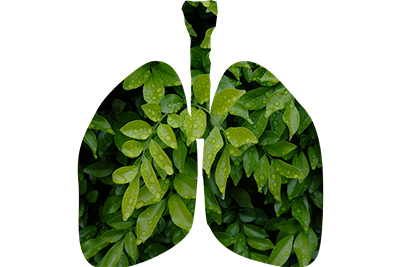
Healthy trees are indispensable pillars of the environment. They serve as the lungs of the planet by absorbing carbon dioxide and releasing oxygen, thus playing a critical role in combating climate
change. By acting as natural air filters, capturing pollutants and fine particulates, they contribute to improved air quality and public health. Beyond air purification, trees are key players in water conservation, their dense canopies provide vital shade, and are foundational to biodiversity. By supporting a diverse range of flora and fauna, healthy trees contribute to the balance and resilience of ecosystems. In essence, the role of healthy trees in the environment is multifaceted, impacting everything from the air we breathe to the water we drink, and the biodiversity that enriches our planet.
Professional Atlantic County Tree Service Helps Maintain Healthy Trees

In addition to all the environmental benefits we’ve already mentioned, in urban environments, trees mitigate the heat island effect. Furthermore, they enhance the aesthetic appeal of neighborhoods and contribute to the mental and physical well-being of the community. The health and vitality of trees are essential for the sustainability of our planet, making their care and preservation a matter of utmost importance.
Experts in tree care are indispensable in the quest to maintain healthy trees. Our employees provide a range of services that address both the immediate needs and long-term health of trees. Trimming and pruning are vital for removing diseased, dead, or dying branches, thus preventing the spread of decay and pests, and encouraging a stronger, more resilient structure. These practices also ensure that trees grow in a manner that works with their surroundings. This reduces the risk of damage to property and individuals. Tree removal and stump grinding services are crucial when trees become a hazard or when they are beyond recovery. These services ensure the surrounding vegetation and soil are not adversely affected. By hiring Ben Bivins Tree Experts, you ensure that trees remain a beneficial asset to the environment. Our knowledge and skills in proper tree care techniques are critical for fostering tree health and vitality.
Contact Ben Bivins Tree Experts for Your Atlantic County Tree Service Needs
The vital role that trees play in our environment cannot be overstated. From producing oxygen to supporting biodiversity, healthy trees are essential for sustaining life and enhancing the quality of our surroundings. Professional Atlantic County tree service, such as those provided by Ben Bivins Tree Experts, are indispensable in maintaining the health and vitality of these natural assets. Through expert trimming, pruning, tree removal, and stump grinding, we ensure that our trees continue to thrive, contributing positively to the environment and the communities they inhabit. If you’re interested in learning more about how our services can benefit your trees and, by extension, the environment, don’t hesitate to contact us at 609-698-4992 or visit our services page. Let’s work together to preserve the natural beauty and ecological health of Atlantic County.